
Referencias
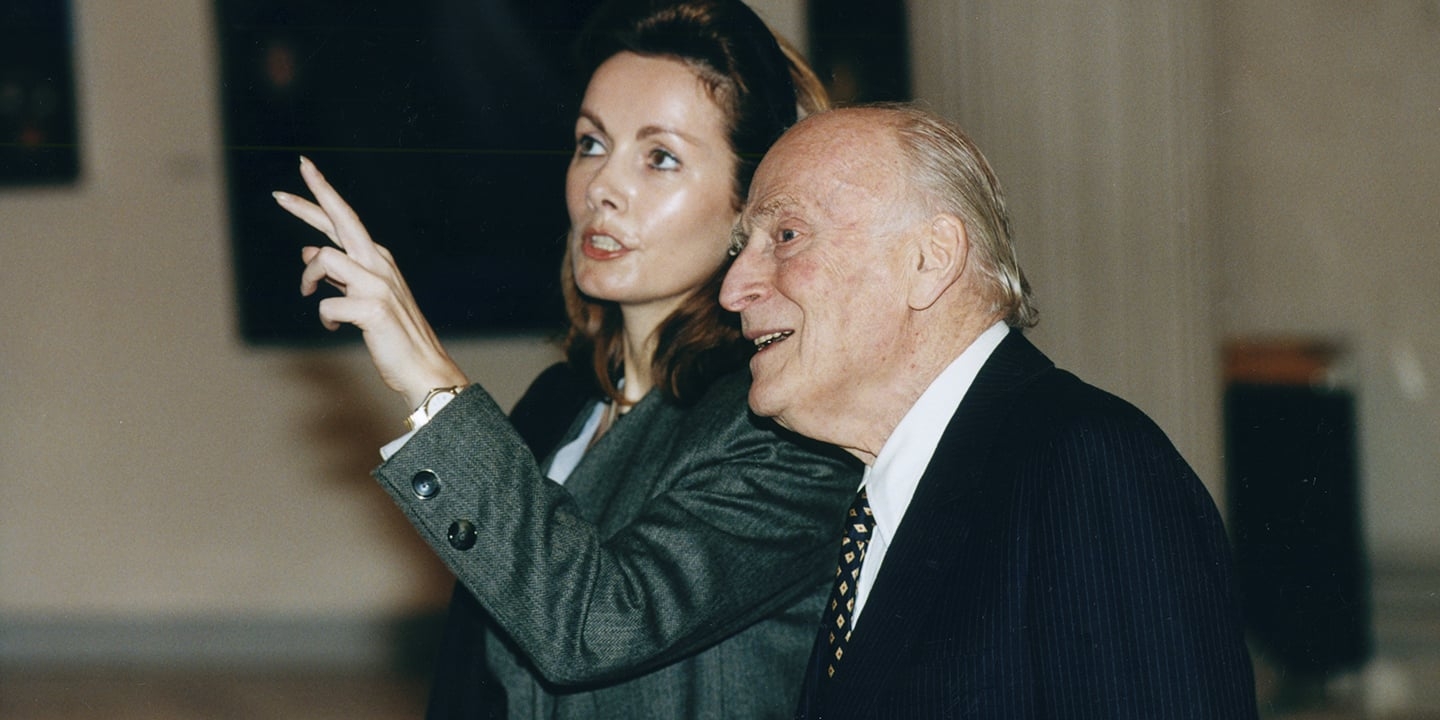
Yehudi Menuhin
«La paz es un flujo que enlaza a la vez pasión y serenidad, pero en equilibrio. Cuando un alma sensible y llena de compasión se alia con un temperamento que grita el rechazo a lo intolerable, cuando el impulso creador se alía con la maestría y la precisión de un gran arte, teneís a la vez genio y obra maestra y, si puedo decirlo, un ser lleno de gracia y misterio.»
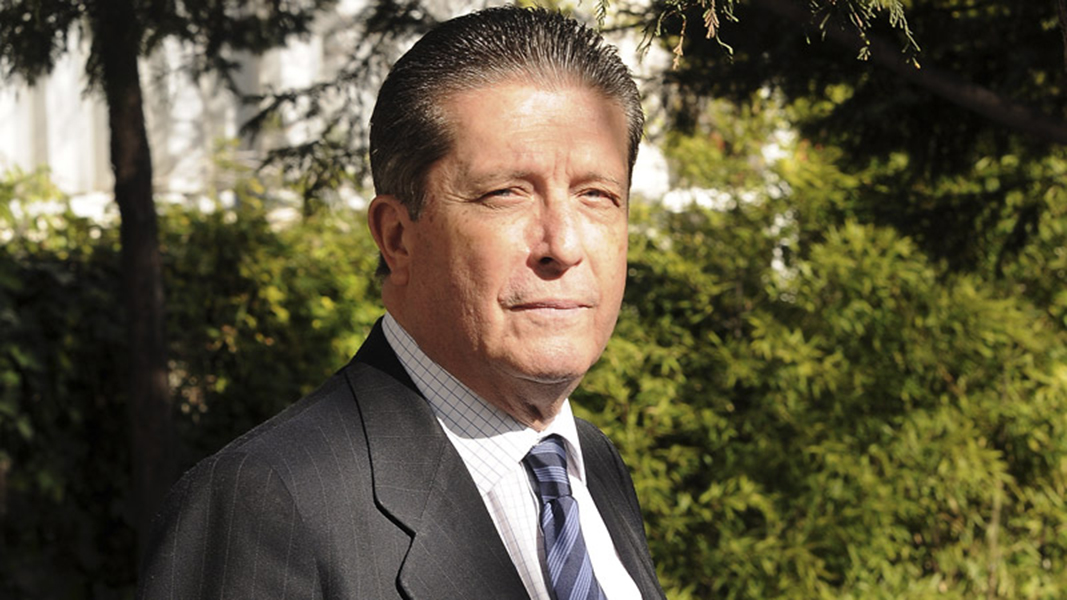
Federico Mayor Zaragoza
Evocar las evocaciones de Sofía Gandarias inspira comportamientos y actitudes para recorrer airosamente los caminos de la nueva era. Nunca olvidaré su exposición dedicada a Primo Levi en “Tres Culturas” de Sevilla… Ni sus cuadros sobre el holocausto de Auschwitz… y sobre Sarajevo… y, muy especialmente, “El llanto de las flores”, una de las series más emocionantes de Sofía.
“La educación es la única manera de asegurar que no habrá más genocidios ni más ciudades devastadas, ni más 11 de septiembre 2001, ni más 11 de marzo aciagos en Madrid…” “No podemos cambiar el pasado pero podemos, y debemos, preparar el futuro”. Así se expresaba Sofía Gandarias en la inauguración de su exposición NY-9/11.
Sus formidables cuadros “Gandhara” (2008) en homenaje a la igual dignidad de la mujer son, en mi opinión, el apogeo de esa gran creadora que nos hace reflexionar sobre tantas cosas… reconducir pasos y fortalecer ánimos decaídos. En los cuadros de Sofía como en los versos de Miguel Hernández, nos apercibimos de que la única solución realmente humana es transitar “con el amor a cuestas”. Sus testimonios de resistencia, de insumisión, de lucidez para emprender e iluminar los caminos del mañana.
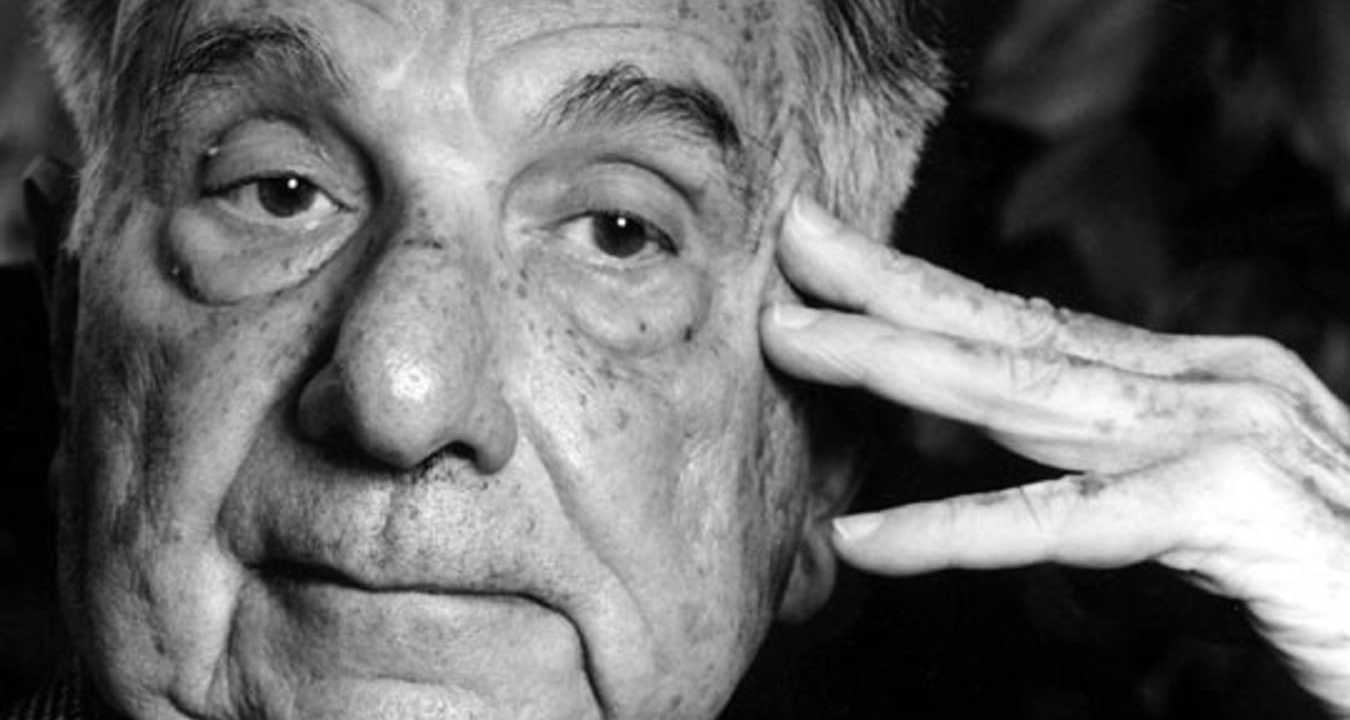
Augusto Roa Bastos
«Acaso la mirada zahorí y como sonámbula con la que Sofía Gandarias contempla a sus modelos vivientes desaparecidos para plasmarlos en sus cuadros desde “ adentro “ y para oir hablar a cada uno de ellos en sus figuras aparente o definitivamente mudas, no sea uno de los méritos menores de esta visionaria exploradora de sombras.
De este modo, los retratos de Sofía Gandarias no se limitan a ser homenajes celebratorios a los personajes elegidos. Son un acto, sí, de reconocimiento de esos personajes representativos en lo que tienen de humano . Pero también, y principalmente, un acto de conocimiento de sí misma a través de esas figuras pintadas a pequeños golpes de soledades y encuentros. Como en la vida.»
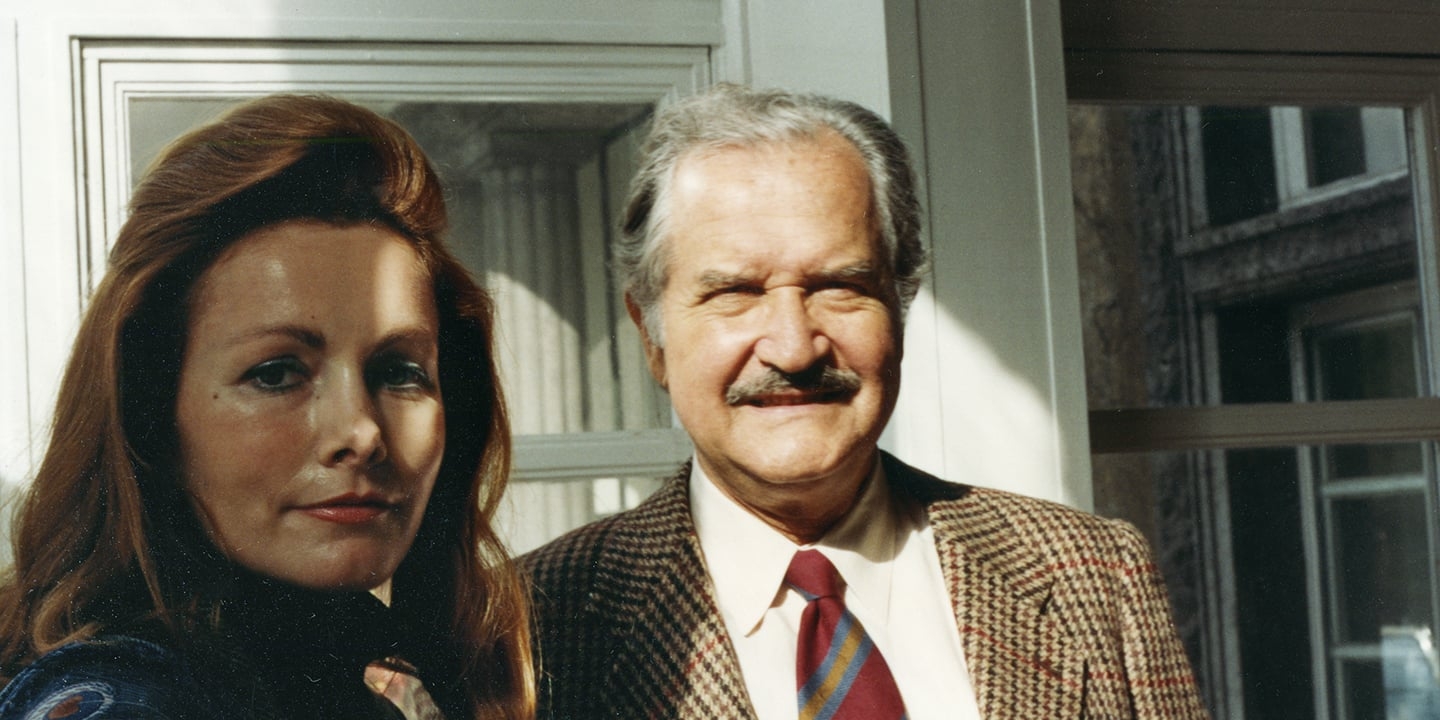
Carlos Fuentes
«Sofía Gandarias nos entrega ahora, con brocha de retratista española, velazqueña, bajo la luz del sol de noche hispánico, el rostro del último sufrimiento, de la más reciente violencia. Ella es la maestra del siglo más breve.»
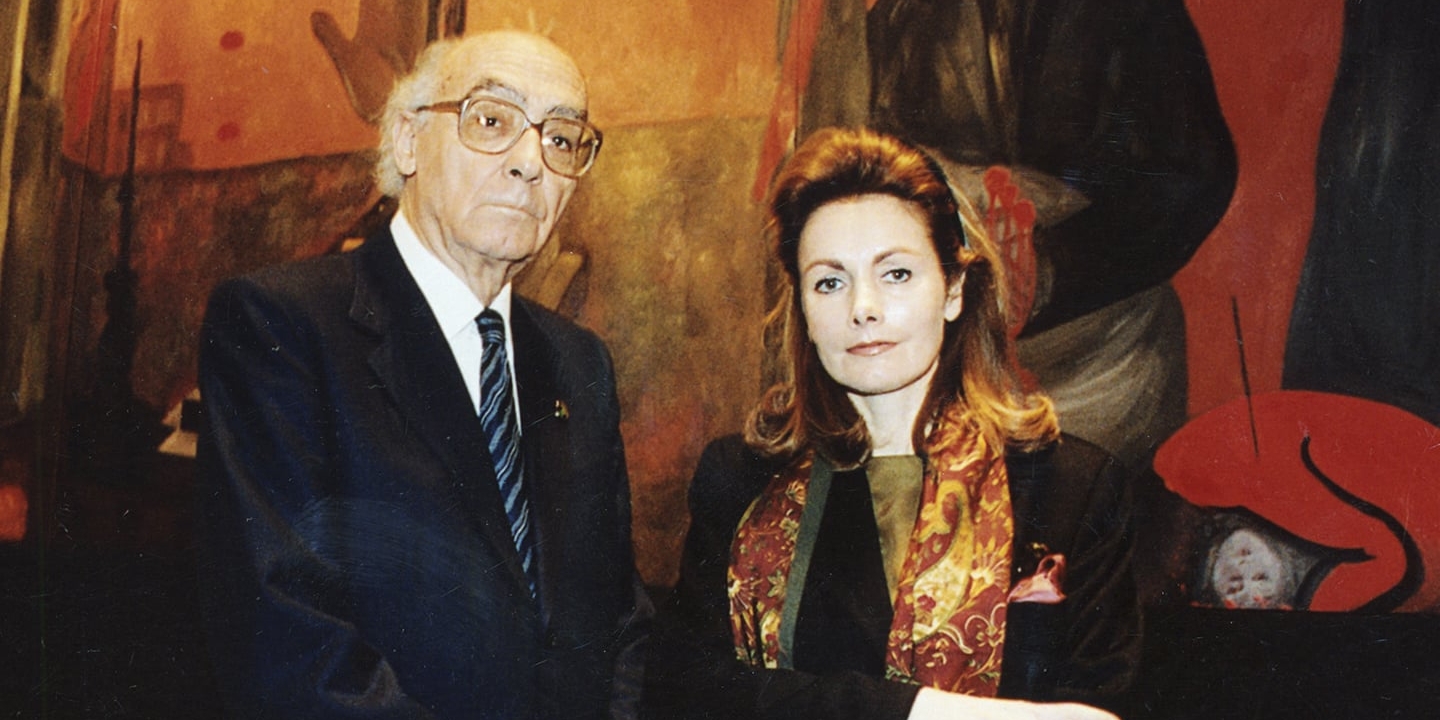
José Saramago
«Más que simplemente pintar retratos de figuras llamadas públicas, lo que Sofía Gandarias hace es convocar uno a uno a los habitantes de su memoria y de su cultura, aquellos a los que ella misma llama «las presencias», trasportándolos a una tela en donde tendrán el privilegio de ser mucho más que retratos, porque serán las señales, las marcas, las cicatrices, las luces y las sombras de su mundo interior.»
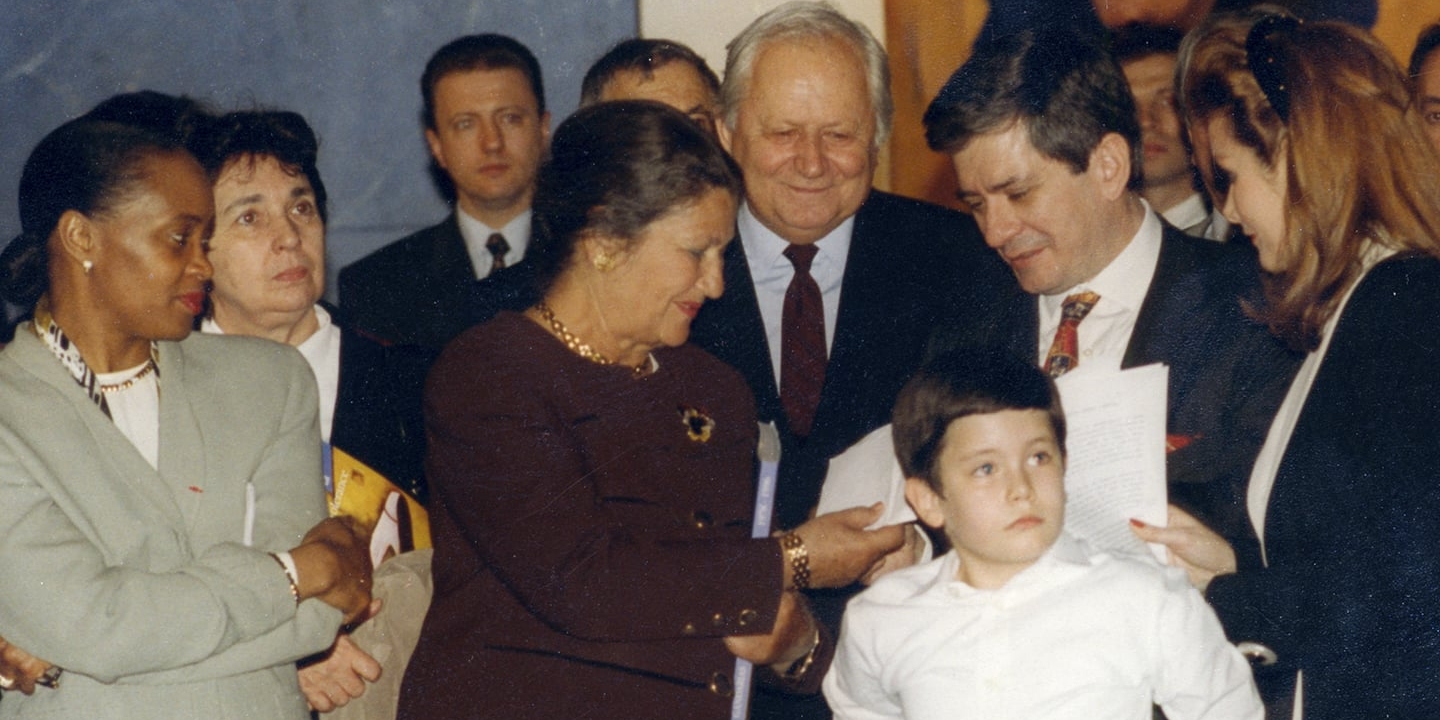
Simone Veil
«Por sus retratos, por los lazos que establece entre ellos y los acontecimientos, Sofía Gandarias nos recuerda, a pesar de la dramática actualidad, que nunca se debe perder la esperanza en el ser humano.»
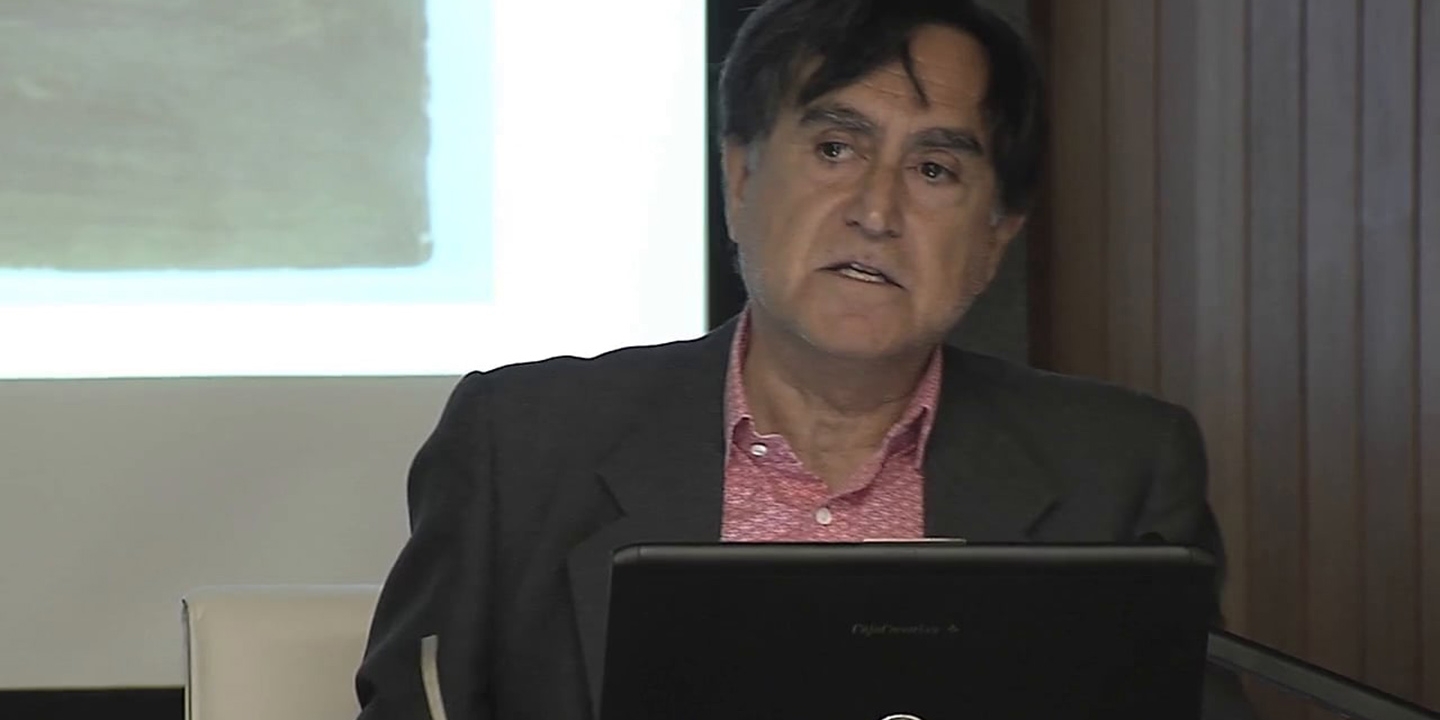
Kosme de Barañano
«Sofía Gandarias construye su mural (Gernika ) en el regazo de unas imágenes difusas, pero que quieren ser más reales, más esencialmente humanas, que las totalmente perfiladas de la realidad. Al hacerlo, arroja Gandarias como Francis Bacon al género humano a un abismo no definido perspectivamente, pero en el que mantiene lña angustia de su presencia. No le interesa la retención de lo fugaz de un retrato sino el pathos de su existencia, La reflexión formal de Sofía Gandarias, como la de Bacon, como la de Giacometti o la de Music, es una reflexión visual sobre la figura desfigurada, no sólo convertida en sombra expresiva, enmarcada en los cuadros como se enmarcan las esquelas o apoyada en sus propios pies de pedestal , sino fundamentalmente convertidas en erosión, en fuga de sí mismas.»